
As a dog behaviourist I see an array of behaviour problems in my client's dogs. Is your dog possessive about some of its rawhides and toys? Does it growl at you if you try to reach for its food bowl? Does it bare teeth when it has a bone and you try to get close?
If so, your dog is exhibiting a common behaviour known as resource guarding. When a dog tries to control access to objects, people, food, and locations that it considers important, it generally takes a defensive stance or overt aggressive display. Such a canine behaviour is influenced by several situational and environmental stimuli, for example, the natural instinct of a dog to survive.
As a dog behaviourist, I have seen dogs being possessive and defensive with a lot of things, like their bed, sleeping space, resting area, and to owner’s approach to touch its body, even if it’s just for stroking. In addition, items such as tissues, underwear, shoes, socks, and high-value human food are also on most dogs’ list. The simple explanation for this behavioural problem is when someone approaches the dog, it often views that person as a threat, trying to take away the thing it holds important. In response, the dog communicates its anxiety using auditory cue and body language. The signs may include growling hunkering, displaying side-eye or whale-eye, becoming stiff, snapping, baring teeth, and others.
So what you can do to stop your dog from resource guarding?
As an experienced dog behaviourist, I can help advise on the situation. If it is a young dog or just a puppy, you can teach it that when someone takes a resource from its possession, it is a safe trade. The best way to show your dog this is to replace the “resource” with something better – like a treat or toy.
If your dog has developed resource guarding, you may have to work hard to manage this behaviour. Here is an example of what I would if a dog resource guards its food bowl – I will simply use five similar food bowls instead of just one. By scattering their resource, you are lessening the likelihood of guarding by making it appear abundant. You can do the same trick I told you about replacing the resource with something more valuable in this case as well.
Another great strategy I use in dog behaviourist training is to train your dog through redirection. For example, if your dog is defensive over a bone, you can use commands like drop it or leave it to redirect their concentration towards your cue. However, make sure you keep a calm tone instead of an angry one.
If you are still having problems with your dog’s resource guarding, our dog behaviourists at Dog Harmony Training can help you. Our dog behaviourists in Preston are experienced and friendly, and know the right ways to help dogs learn or avoid different types of behaviours.

One of the most prolific dog behaviour problems that I see as a dog behaviourist is aggression. Does your dog bark, lunge, growl, or exhibit any other type of unsociable behaviour at the sight of other dogs or passersby? If so, you are not alone - many dog owners face this problem. But there is no need for you to worry, since it’s natural for a dog to act strange when it confronts unfamiliar beings. However, it is essential to work with your dog, and possibly a dog behaviourist, and teach it how to stay calm and socialise so that you are able to take it out on a walk or to the park without having to worry about it being a risk or nuisance.
You will have to observe your canine carefully and determine how you can get its attention amidst all distractions in the surroundings. As a dog behaviourist we consider this the building block of training your dog, as well as allowing it to recognise you as the pack leader that it can trust. Your ultimate goal is to become the figure your dog looks up for guidance instead of acting on its own.
In my experience as a dog behaviourist in Liverpool, dogs exhibit aggressive behaviour in response to unfolding events. Two main factors of dog aggression are dominance and frustration, which may be due to a myriad of reasons. Generally, when a dog resorts to aggression, it thinks that it is under some sort of threat.
Let me explain this to you with an example: the dog may consider being around strangers a threat to its personal safety, or think that it may not be able to do something it really likes, which results in frustration and a feeling of being dominated. The dog then may use aggression to reduce or control this challenge. In other words, it is a dog’s basic instinct to use aggression if it feels threatened or pushed far enough.
Now, let’s move on to the crux of our discussion: How do we solve this problem?
You need to observe your dog closely and work out the circumstances that may be causing your dog to act aggressively. Your next move depends on towards whom or what, or when your dog is aggressive. As a dog behaviourist I have seen dogs being aggressive to just a single context, while there have been others who exhibit aggression in many contexts. For example, if your dog eats bones aggressively, but show normal behaviour when presented with ordinary dog food, the solution to would be simple – don’t give your dog bones to keep it from being aggressive.
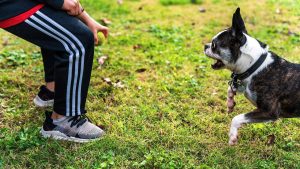
While this was a simple situation and can be avoided easily, you may have to talk to a dog behaviourist if the problem is severe or your dog shows aggression in every other event. At Dog Harmony Training, we have experienced dog behaviourists in Liverpool that can help your dog with its aggressive behaviour. Make sure you contact us for help and advice.
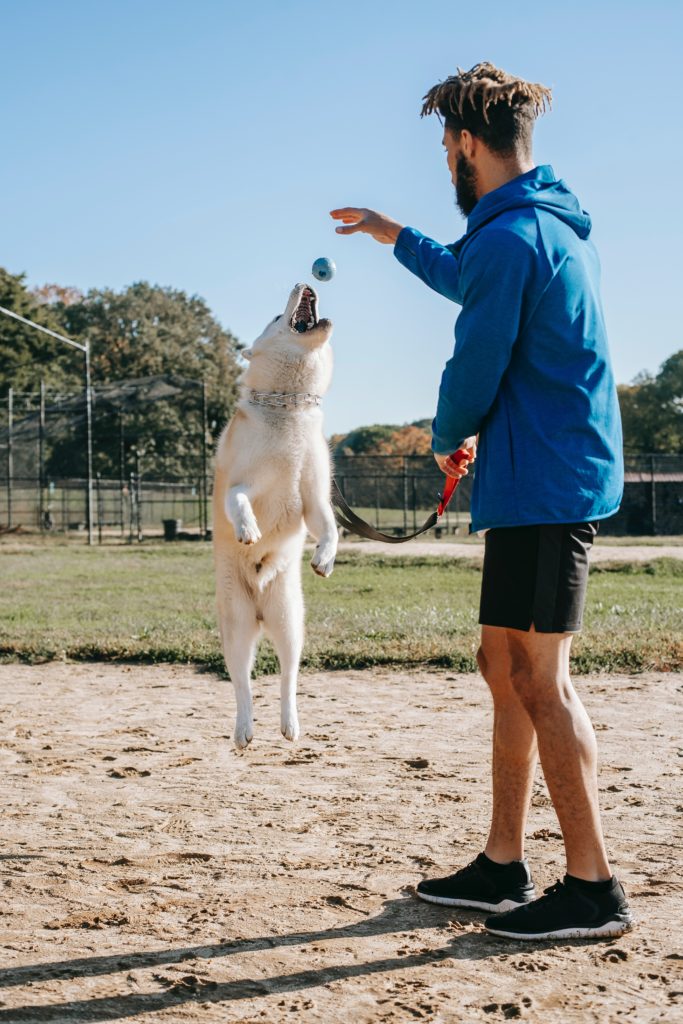
As a dog behaviourist, I'm always interested in learning new ways to calm and reduce stress and anxiety in dogs. One method I regularly use for my own pet dogs is classical music.
Classical music Proven To reduce stress in Dogs
Stress, excessive barking and separation anxiety in dogs is a common and serious issue causing considerable stress in owners. It's something that I see a great deal as a dog behaviourist. It can cause nervous behaviours like chewing, destruction and pacing, along with urinating and defecating in the household. If you work in a rescue centre with anxious dogs, or have a dog at home that howls every time you leave him alone, there are simple ways to help calm and soothe nerves without drugs or medication. Simply changing his mood with the right music can relax him enough to rest and fall asleep without destroying your home in the process.
Classical music has a calming effect on dogs in rehoming centres, according to research carried out for the Scottish SPCA. During the study, dogs' stress levels decreased significantly after the music was played into their kennel.
Use music to soothe dog separation anxiety.
Pick The Right Tune!
As a dog behaviourist, I see many people who leave their radio on all day hoping it will keep their pets entertained and help battle loneliness, without another thought that classical music may be more beneficial. Dogs understand music differently than we do, so it’s wise not to assume they will like the same Rock FM or City Radio playing hip-hop, blues and country that you tap your foot to. Dogs hear at a higher frequency than people do and process audio differently. Animals may hear your music as annoying and would rather listen to their own music designed with the right pitches and tones.
Amazon sell tunes specifically designed for dogs, like a CD from Canine Lullabies. Dogs will visually start relaxing when listening to simple melodies and fewer instruments in the music mix. Dog-designed music typically promises to stop unwanted barking, reduce hyperactivity and calm your dog in the car and home. Whenever I get a dog behaviourist client’s dog that is stressed out, the first thing I do is switch on the CD with specific dog related classical music and after a few hours that dog always stops barking and appears to become a lot more relaxed.
Appeal to Your Classical Canine Tastes
You may not need anything special to calm your dog other than what’s already on classical FM. The Journal of Veterinary Behaviour shows that classical music can actually reduce anxiety and stress in dogs and comfort them. This can be especially helpful for dogs living in shelters and rescue dogs newly introduced to your home after suffering from social isolation - the most common dog behaviourist clients. Dogs listening to classical music are shown to spend more time in a resting state and bark less than other dogs.
Help Your Dog Sleep
Anxious dogs that have difficulty resting or sleeping could benefit from canine-designed music like Through a Dog’s Ear. This CD builds on Dr. Alfred Tomatis’ psycho-acoustic research and can be found on amazon. (This is the CD I use whenever I go out in the car or have a client’s dog boarding.) He realised sound could work as a nutrient for the nervous system and studied how it affected the human nervous system.
Through a Dog’s Ear builds on that foundation of research and expands it toward dogs. They studied how canines process auditory information and music and created audio that naturally triggers relaxation responses. This type of response is ideal for noisy, crowded dog shelters, but can also benefit dogs in your home that are stressed out, nervous or hyperactive and show difficulty winding down and sleeping.
Let Your Dogs Howl
In 1980, Carnegie Hall hosted an orchestral debut, Howl, featuring the musical work of 20 human voices and 3 dogs. Were they really singing? Research shows canines have a sense of pitch and can be encouraged to howl when the long note on a violin is playing. Some people like to think the howl is a form of singing, while others just think the dogs are having a good time. Regardless of why your dog is howling at the music, if he seems to enjoy it, let him serenade you. Just maybe not at bedtime.
If you're still having trouble with a stressed or anxious dog, please contact me for help from an experienced and caring dog behaviourist.
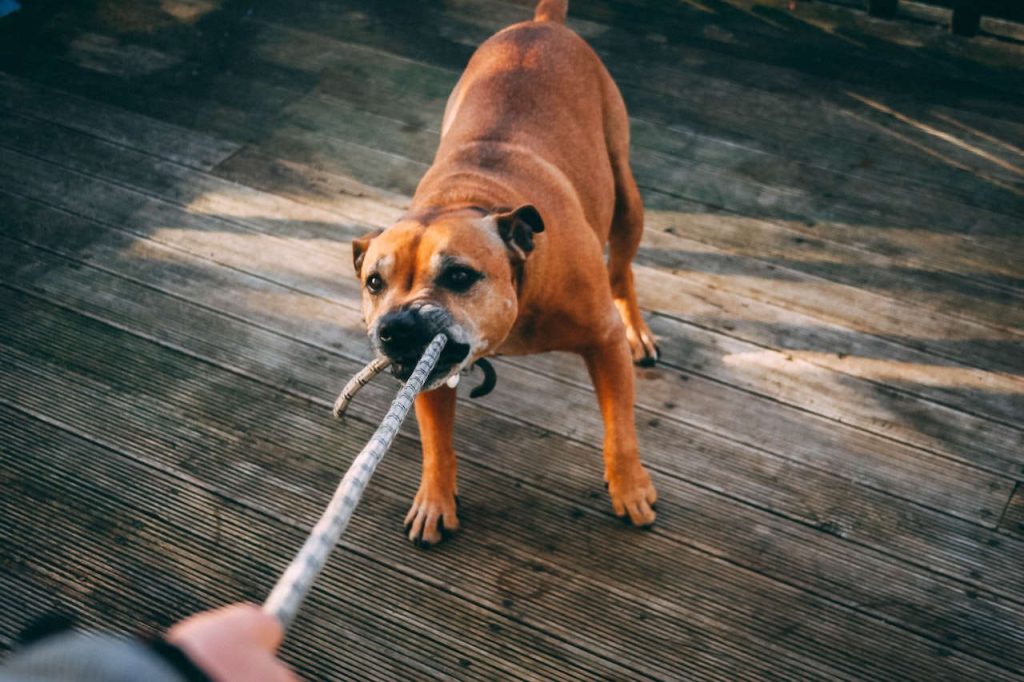
So, you are thinking about taking on a rescue dog!
As a dog behaviourist experienced in dog training, I can help you to make your decision and provide support for you in caring for and living with your new pet.
Why adopt a rescue dog?
Where should I get a rescue dog from?
Local Rescue Centre Organisations
There are many rescue centres around in the North West. The kennel club produces a rather thick brochure listing all the Kennel Club recognised organisations. In the North west there a few good rescue centres, a quick look on Google will
give you all their contact details. You should be aware that there are some so-called dog rescue organisations that are no more than a dog selling outlet that imports dogs for sale so go to a reputable local one which includes Freshfields animal rescue just outside Formby, Carly Lane, Liverpool, Dogs Trust, and The RSPCA.
Private sale
You will often find dogs advertised on the internet and Gumtree or by word of mouth (accidental mating). As a dog behaviourist I tend to find that dogs advertised on the Net or Gumtree for money, usually £100’s cheaper, are ones which I see often see as behaviour consultations and though you got the dog cheaper, it almost always ends up costing you a lot more in behaviour training and dog training. This is not to say that all advertised dogs are a problem, but I would strongly urge caution!
When you go to see and see a dog for sale or from a rescue centre see if you can see the dog interact with another dog not already in the household in which he lives. Take him for a walk, does he pull on the lead, will the pulling get worse, are you strong enough to accept this pulling. A dog pulling on a lead is the most common dog behaviour issue I come across, indeed, to the extent that the owner no longer wants to walk the dog as it has become such a chore. Does he react to other dogs when on a lead? Does he bark at other dogs on a lead? All this may become potential problems that need correctly through dog training.
Make sure you see him being fed and that he is happy to have people around whilst being fed; if he is guarding his food this will become a problem in your home as he becomes more settled. See how the dog behaves around toys that are on the floor, again will he growl if you try to pick one up? If there are no toys, why not? Does the dog look fit and well? Ask to see vaccination certificates, and pedigree papers if the dog is a pedigree!
Time to make your decision!
This is something that should not be taken lightly. The above suggestions are by no means an exhaustive list. But, sadly, many dogs which are adopted end up back in the system. Why? The following are some causes and explanations.
Still, want to adopt a rescue dog? I do hope so!
It is really important that you have thought this through and understand what to expect. The last thing a rescue dog needs is to be sent back to the rescue centre. Deciding to return a dog to rescue is emotionally draining for the new owner and is very difficult for the dog. Having made the decision to get a rescue dog, here is some more information which might help! Good luck, however, if you have done your homework you will not need luck, and do give me a call if you have any questions!
Do's - Remember a dog has emotions. They learn by association. It is a scientific fact that canines have at least primary emotions and there is much research into whether or not dogs have secondary emotions such as jealousy.
Do not stress, whatever your dog does! If you stress this will travel down the lead and make your dog stressed. Read about “calming signals” so you are able to understand your dog even more. If you are stressed your dog will be!
Clicker Train your dog using treats. Look for a dog trainer who uses positive and kind techniques in dog behaviours, and importantly, shows you how to fade or even remove any existing bad dog behaviours. There are an increasing number of good trainers in this area but if you have a rescue dog you will need a trainer who understands dog behaviour. Do check the dog training class before you join to make sure you are happy with the techniques used and that the class is small and under control or will private one to one lessons be more suitable.
Some dogs have not suited to class-based dog training until they have been rehabilitated.

Don't - Don't take an aggressive dog to dog training sessions unless you have informed the trainer first. Leave your dog in the car until the trainer is ready. The dog trainer should have discussed a plan with you prior to training. A lot of rescue dogs will be nervous so taking them to a class with other dogs will cause more stress to you and your dog, even to the others in the class. You will need to rehabilitate him before joining a class. A dog behaviourist should be able to help you.
Don't punish your rescue dog - no matter what the provocation.
Do not over compensate for your rescue dog's sad past by giving too much un-earned affection or spending too much time with them as this generally creates additional problems in the long run. Rescue dogs tend to try to bond very quickly with their new owner and get more worried about being left alone. If you work and need to leave your rescue dog for a period start off by leaving them for a short while in another room with a well stuffed “frozen” kong. I fill a kong with treats and then put peanut butter along the top, wipe it in cling film and then freeze it. It lasts longer. Gradually build on the amount of time you leave them.
If you have read this you may feel daunted! I really don't want to put you off, but it is important to realise that this is a big step to take. I hope this helps you to make the right decision and adopt a rescue dog in the full knowledge of what you may expect.
If you would like advice about taking on a rescue dog, or dog training and dog behaviourist sessions for rescue dogs, please contact me.
Whenever I knock at new client’s door and hear very loud and frantic barking, followed by a few choice swear words telling that dog to shut up - I generally know I am at the right address for my Dog Behaviourist session.
Any dog behaviourist will understand just how big a question this is. So when I ask the client “When does your dog bark?” the answer is usual the standard, “All the time and its driving me crazy!”
The reality, though, it might feel like it is all the time but dogs generally don’t bark all the time, there is always a trigger or a reason; dogs usually don’t bark just for fun, something has caused the dog to start. Noise next door, postman, car or someone just walking past your window. To be able to answer this question it can take some considerable time to tease out the information out of the client. This is why barking issues are usually a dog behaviourist domain. Dogs bark for a variety of reasons and in the profession, we call this “vocalisation”.

First rule out medical reasons by a dog behaviourist:
Frustration
Barking can be an outlet for frustration. For example, the dog sees a sandwich on the counter but can’t reach it. This might lead to the dog barking out of frustration, a bit like a human when we declare “dammit” when we fail to achieve something we were trying to.
Another place we might see frustration fairly frequently, is in dog training classes. A dog might bark in the direction of another dog because he wants to greet and is unable to do so. We often see an owner realise this and then release the lead so he can say “hello” to the dog next to him. Unfortunately, this actually actively reinforces the dog for barking and ensures barking will be repeated next time he wants to say "ii." We can even see combinations of attention seeking, boredom and frustration in classes where the dog looks at the owner for some eye contact, but the owner is listening to an instructor. A combination of frustration and attention seeking leads the dog to bark, whereupon, the owner looks at him right away. This is an automatic response for us and terribly difficult to override. However, this does lead to barking being reinforced. This is why the use of quiet food delivery activity toys in dog training classes can be so helpful as it prevents boredom, helps dogs to focus on something other than other dogs or their owners’ attention resulting in calm dogs in a class.
Territorial Barking
Dog behaviourist: Dogs may bark to make something go away. This barking is of a low pitch; other dogs and people recognise this and retreat further away. The warning bark is then rewarded as the other party moves away. So, barking can be territorial and its function is to keep other beings away from the dog. Many dogs practice barking all day (unbeknown to their owners) at dogs or people that pass their house. Inevitably these triggers disappear as they pass the house and then the dog stops barking as their job has been done. Often, without even knowing, dogs get a lot of practice at this when owners are out.The more it happens and gets reinforced, the more of a default behaviour it can become. When behaviours are performed frequently, our brains can develop short cuts for the behaviour, making them even more deep rooted into habits; this is something than an experienced dog behaviourist can address. So checking up with a dog behaviourist is very important.
Howling
Howling is a wolf behaviour and is known to draw members of the group back together. The howl is called and the other wolves join the group responding with howls. It is possible that this behavior has been passed down to some dogs who can howl when left alone. The theory is that a dog would howl as, ethologically, it brings members back to the individual and may play a role in separation related issues in dogs. Even if a dog does not howl when left, barking can be done through frustration; eventually the owner returns so the barking gets reinforced. This shows the dog is not coping with separation and needs some help in adjusting to this; this is where a dog behaviourist comes in.

Excitement Barking
Dogs can bark when very excited especially when it’s time for a walk. This tends to be of a higher pitch and can be quite continuous until the source of the excitement has gone out of sight. When playing games with our dogs, dogs can bark almost as if saying “Hurry up”. It is likely that frustration is also involved but dogs will often bark out of excitement when playing with their humans as well as when playing with some other dogs, or watching activities that are highly stimulating for them.
Stress Barking
Dogs can bark because they are stressed and it helps to release tension. I've even written a dog behaviourist article on stress in dogs. However, barking also CAUSES stress to humans. If a human is exposed to chronic barking in dogs it continually activates our autonomic nervous system and our endocrine system which can lead to stress. This is why nuisance barking can be so serious, and can have devastating effects on the mental health of those who live nearby, especially if this leads to sleep disruption. As a dog behaviourist, it is also one reason why I act on barking in classes, I find it emotionally wearing so I do everything within my power to solve barking issues in class.
Attention Seeking
The dog in the phone call was barking at his mum because she wasn’t giving him her full attention, she was talking to somebody else - me! By barking at her he got her to look at him so he found barking was an effective method of getting her attention. During the call she turned around and shouted ”shut up”, but actually, even though it temporarily made her feel better, he was rewarded for barking with her attention and the barking continued. This attention-barking behavior will never disappear if it continues to be successful for the dog.
Demanding Bark
Again, dogs might bark because they need something; the dog might be shut in the garden and want to come in. The dog might need to go to the toilet. Perhaps elicited by a little frustration, this bark is insistent and will continue until the dog's need has been met. The barking is reinforced by the need being met so will be repeated the next time this need occurs. Sometimes we want to reinforce this and as long as we know what the dog means he is providing useful information for us to act on. I take my wife’s little dog out a lot when I am with clients and he now barks, he is 12 years old, just to get a treat!!
Boredom Barking
Dogs that have little to occupy themselves will bark to alleviate boredom. Boredom barking often involves the same phrase at medium pitch repeated over and over at a medium speed with no urgency to it, "woof woof woof.........woof woof woof....... woof woof woof....." Just like a small child saying "are we nearly there yet.... are we nearly there yet.... are we nearly there yet...? This is the easiest barking problem to solve as, quite simply, by providing a dog with increased exercise and mental stimulation or a bit of company, the barking should stop. But don't just go out and get another dog to solve this problem as your dog might not like another dog and you may end up with different problems.
If you have a barking dog, and need to resolve the problem, first we need to identify WHY your dog barks. Once we know this, we can develop strategies to help them to stop barking. Please don't just punish your dog for barking because barking is communication. We all know that bad things happen when communications break down! Accept that your dog is trying to tell you something and make it your job to translate what he is saying or ask for help from a qualified dog behaviourist.
Greeting Barking
Dogs can bark when greeting known people. This is usually a couple of barks that stop when the person greets them. These barks with be of medium or high pitch if the person is a known friendly person.
Alarm Barking
Your dog is telling you that something is going on that he is worried about. A quite distinctive rapid volley in sequences of 2 to 4 higher pitch barks that may be preceded by some cautious “ buff...buff...buff” type barking. It is worth investigating this kind of bark as your dog thinks there might be an intruder. Of course, it could just be a fox in your garden. I have known of a very canny dog that used to do this to distract the other resident dog from the best seat in the house. As soon as that dog went to investigate his alarm call, the initiating dog nicked his seat and went to sleep!
Taught Barking
Some dogs can bark on cue, indeed I am currently trying to teach my working Golden Retriever to bark on command. We call it speak in the trade. Of course, I will also have to teach him to stop barking at command. I have worked with some clients who taught their dog to bark but did not teach him to stop barking.

Why Mental Stimulation is Important Dog Training For Dogs
Dogs need both mental and physical exercise as part of dog training to be balanced and healthy. Finding ways to mentally stimulate a dog can be challenging. Dogs that work, police dogs, drug dogs and working gundogs generally find mental stimulation by working and resolving problems constantly. It is unusual to find behavioural issues with working dogs, with the majority of behavioural issues found in pet and rescue dogs. There is plenty of research that demonstrates that when a dog is mentally challenged through dog training, this dog is a lot calmer around the household.
Understanding the need for and providing opportunities for physical exercise is relatively common knowledge among dog owners. Walking your dog is a great example of this. But what happens when you dog spends the rest of the day just staring at the 4 walls in your house. He becomes bored! And when he becomes bored, the chewing and other destructive behaviours start. But the concept that having a dog or dogs is a partnership and that your dog wants and needs to spend QUALITY and STIMULATING time with you, is more difficult for the pet owner to understand. It is not enough to spend time just walking or stroking them; dogs want to use their brains! Imagine a 6 year old child never going to school! Dogs have wonderful, intelligent, imaginative and creative brains that need to be challenged and stretched through dog training to help prevent boredom-related behaviour issues: barking, chewing and other problems. Using some of the ideas listed will not only help dogs’ brains, but will also improve relationships with our dogs.
*Most of these ideas are intended for the owner to be involved or for the owner to supervise the dog. There is a section at the end of things to leave for the dog when she/he is left alone.*
Create A Challenging Snack
Feed at least one snack a day in a mentally stimulating and challenging way:
Stimulating Dog Games
Get creative and play games with your dog. Here are a few games that are simple and quick to play every day.
Toys
Toys come in all shapes and sizes. They are great tools to prevent boredom and enrich a dog’s life.
Other Activities
Play games and work with your dogs to build your bond and prevent boredom in your dogs.
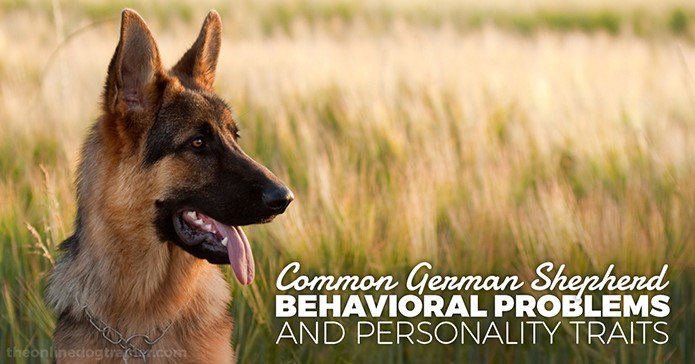
Over the years working as a dog trainer, I’ve probably worked with as many German shepherd dogs as any other breed.
Most often, they are an incredibly loyal breed, are devoted to their owners, and have really sweet and fun personalities. And so, to those of you who love the breed and wouldn’t consider anything but a German shepherd in the future, I understand!
Yet, some people are terrified of them and feel they are dangerous dogs to own.
To those of you that are wary of German shepherds, I understand where you are coming from, too! First off, they are very large dogs and can come off very intimidating.
Second, their instinct to protect their family or property is strong and can lead untrained German shepherds to becoming very protective, aggressive, and scary dogs.
The keyword here is untrained, as any untrained dog–regardless of breed–can have the same problems.
Over the last decade I really feel like I’ve come to understand German shepherds and have personally fallen in love with this breed. I’ve also realized that they’re so misunderstood due to poorly trained German shepherds often ending up in the news and how they are portrayed on TV and in the media.
For this reason, I wanted to write today’s post in hopes that, if you are someone who fears this breed, are looking for help and direction with your dog, or you know someone who is wary of German shepherds, then this honest truth about this lovely breed might change your mind.
Let’s start by taking a look at the breed itself…
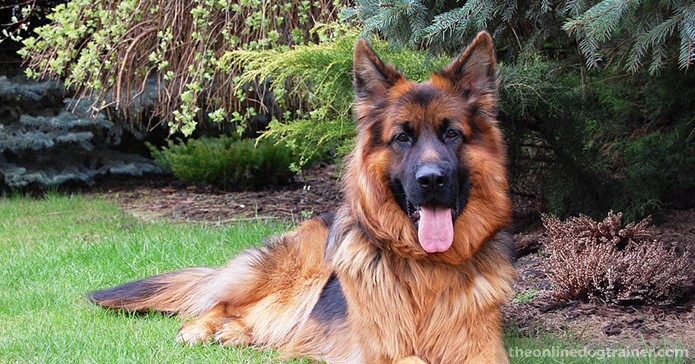
The German shepherd as a breed originated in Germany. No surprises there. But, believe it or not, their name was changed soon after the war. Before the war this breed was commonly called the Alsatian in Great Britain and parts of Europe.
There are still parts of Europe that refer to the German shepherd as the Alsatian; however, most of the world has converted back to calling them German shepherds.
Pretty interesting, right?
As for life expectancy, German shepherds normally live for around 9-13 years.
The colour of a German shepherd can range considerably from grey to black to tan, and even a silvery colour.
The males grow to be approximately 24 inches at the shoulder and the females tend to be a little shorter, measuring around 22 inches at the shoulder.
As for weight, males average around 80 pounds and the females are a bit lighter at around 60 pounds. There is no denying that these are big dogs!
Now, as I mentioned earlier, German shepherds are known for their physical strength and intelligence. As working dogs, they were bred to be confident and powerful…two traits which often scare people away from wanting anything to do with the breed.
It’s this combination that makes them quite incredible beasts. They have strong muscles. They’re obviously large, and yet, in their minds, they’re also very confident, watchful, and alert.
So, it’s very likely that you’ll really have your hands full if you choose to get a German shepherd, and for those of you who already have one, you may well know exactly what I’m talking about.
Yes, they are a lot of dog to handle. But, I don’t want that to scare you. Any dog, regardless of whether it’s a Labrador retriever or a chihuahua can be a lot of work. All dog breeds require proper training and daily handling.
So, that being said, a German shepherd really isn’t that much more of a commitment than any other dog breed. And, as long as you’re willing to put in the time and effort to work with your German shepherd and you know what you are doing, they can turn out to be incredibly beautiful, gentle, and loving pets.
I know this for a fact, as I’ve spent many years working with countless German shepherds of all ages and behavioural problems who were very enjoyable to be around. So, here’s a little more about my own personal experiences with German shepherds…
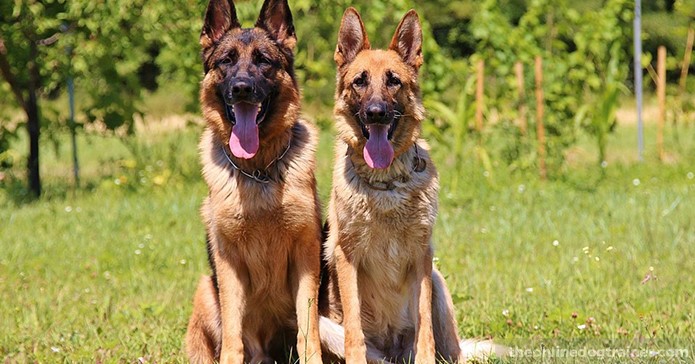
As with any breed, there’s the whole range of different personalities and characters and temperaments that you can come across. But today, I want to share what my general experiences with German shepherds has been like.
I can confidently say that the breed description given to German shepherds is pretty accurate. I have encountered many German shepherds who are physically and mentally strong, courageous, and often have a hard time backing down.
Of course, not all German shepherds fit this description. I’ve come across many who are very fearful and nervous. But mostly, I’ve seen the confident, strong-willed shepherds.
What’s fascinating to me with German shepherds is that, despite a strong personality, they do seem to want to work alongside you. They all seem to have a deep desire to connect with you, work for you, and do a great job.
It’s almost like they want to be your partner rather than work independently. However, this means, if you’re not sure what you’re doing, they will very quickly step into the driving seat, which is a problem. You really don’t want your German shepherd in charge of making the decisions!
That’s where they’re not a dog for everyone, because German shepherds play this game of “Who’s in charge, me or you?” at a very high level. I call it the dog code.
It’s basically the psychology of the dog. They have a code or a set of rules, which they follow. That code decides “Who’s calling the shots around here?” That’s where it can often fall apart for people who don’t know the dog code, but they own a German shepherd dog.
A guy that I knew down the street had an issue with his German shepherd and I happened to know that deep down this German shepherd was a beautiful boy. He wanted to do right, but left to his own devices, he was going to make mistakes.
The guy was actually going to get rid of him after a serious incident and was ready to hand him over to another family because he felt that his dog had tasted blood and that was the end of him as a good dog. It was only by stepping in and explaining a little bit to him about why his German shepherd had actually bitten another animal—a sheep he owned—that he decided to keep the dog.
I explained that it wasn’t the German shepherd’s fault. I said to my neighbor, “This is not Walt Disney.” He basically had the German shepherd and a sheep—believe it or not—almost feeding from the same bowl so it was a recipe for disaster.
I told him that he needed to pull his socks up as a dog owner and start putting into place some really simple training techniques, and it was very effective. Basically, I taught him the dog code! He still has that dog, but I was very tempted to say, “I’ll take him off your hands!” because secretly I knew he’d be a beautiful member of our family. He was still an amazing dog deep down, but you needed to know what you were doing!
Since then, I’ve fallen in love with German shepherds. I could certainly see myself ending up with one in the future. And yes, I would fully trust this breed around my kids, my wife, and my other dogs.
Like I said, with proper training and boundaries put in place, German shepherds are beautiful, friendly dogs. You just have to be willing to put the time and energy into working with this breed of dog (and understand the dog code) so that you don’t end up with some of the most common German shepherd behavioral problems, which we’re going to talk about next.
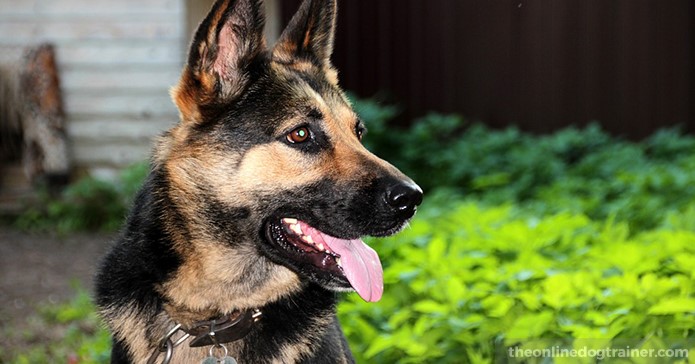
Before we dive into the most common behavioural problems associated with German shepherds, I think it’s important to look at where the breed has actually come from.
Over the last century, German shepherds have been used for tracking, search and rescue—especially for the police— and protection and guarding. So, it’s no surprise that a lot of the issues are in this exact area.
They have been intentionally bred for traits such as fierce loyalty, intelligence, and strength.
This leads to one of the first common problems for German shepherds, which revolves around aggression and the need to protect. It’s very possible that an untrained German shepherd would be likely to bark or lunge at other dogs or people, especially on his own property.
It’s not at all that this type of dog is being mean or nasty. In fact, from the dog’s point of view, he believes he’s just doing his job of protecting his family or territory.
It’s a very, very common problem, and, at the end of the day, it is what the German shepherd has been bred to do a lot of the time.
The good news…this behavior can be untrained. Or even better yet, if you’re working with a German shepherd puppy or a young German shepherd, you can easily avoid this behavioral problem. And in case you are wondering, this does not automatically mean, that if you ever really do need help, that they won’t rise to the occasion!
The second issue that I have found to be common for German Shepherds—which I think is probably due to the determined nature of the German shepherd and their size—is pulling on the leash.
When a German shepherd wants to pull, they are very strong, obviously due to their physical design. If you’ve just got a standard collar on them, it can be an absolute nightmare, almost impossible to hold them back when they’re pulling forward so it makes it very tricky.
Once again, with some basic training and a good sturdy harness, this behavior can be easily prevented.
The third most common issue I come across with this breed is biting and nipping, especially with adolescent German shepherds that are around 6 or 7 months of age.
They can be really, really nippy, and they seem to enjoy using their teeth on people’s arms—again, something which has been bred into them in certain areas for certain reasons.
Here’s something I want you to think about though…most dogs around this age range are nippy due to teething and simply have a natural desire to chew. German shepherds are big dogs, so this issue might seem scarier with this breed. I totally understand that.
But, like any other dog, all you have to do is redirect your dog’s need to bite and chew a toy and make it clear from the get-go that biting hands, arms, legs, etc., is not ok.
And for those of you that are wondering, nipping and biting should really stop at or before 4 months of age. So, if your puppy is still doing it past this stage, watch out because that’s not so cool!
The last major issue I’ve noticed while training German shepherds is separation anxiety.
When this breed is left alone, they can become very stressed. This is due to their fierce loyalty to their humans and their desire to stay close to and protect their pack.
When a dog is stressed out due to separation anxiety, he may show a variety of different behavioral problems like digging holes, trying to escape, or barking. You have to remember that these problems are caused because your German shepherd gets upset about not being able to protect you when you’re going.
These problems are annoying, frustrating, and should not be acceptable, but they do happen out of love.
Once again, many dog breeds suffer from separation anxiety and will show the exact same behaviors when left alone. This is where the training comes in. Work with your dog to put an end to his separation anxiety, and regardless of whether he’s a poodle or a German shepherd, you’ll be able to put an end to these unwanted behaviors.
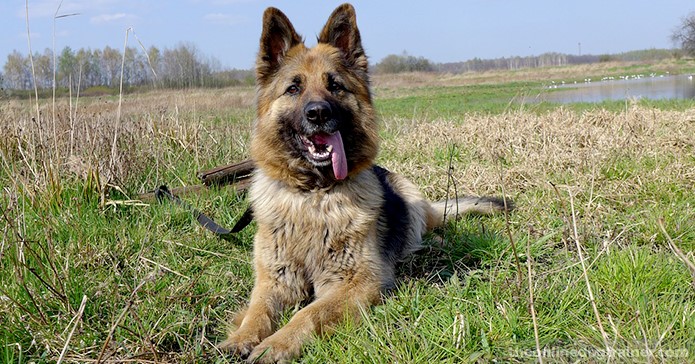
At the end of the day, all of the common issues associated with German shepherds come back to what I call “the dog code.”
All dogs have wolf ancestry. And like wolves, all dogs have a family pack mentality and a desire to protect and look after and love each other. I would say the German shepherd follows that dog code to the letter of the law.
So, if you want to have a good German shepherd, you really need to understand the rules of the dog code—and you need to learn those rules quickly.
And because German shepherds are so smart, they are often playing on their “A game.” But, if you’re playing a “B game,” your dog won’t listen to you. With the German shepherd, you need to be playing on your “A game” or an “A+ game.” You’ve got to be an intelligent dog owner.
It’s like a game of chess. A lot of people know how to play chess, but there are masters and then there are grandmasters, and it just seems to me that German shepherds are the grandmasters of this dog code. They will take you to the next level, and you make your move, and they will do something else to outwit you.
Until you actually understand the basics of how to win that German shepherd’s mind, you’re always going to struggle.
If you are looking for a comprehensive training program for your German shepherd pup or a comprehensive training program to stop any of the above listed issues, then contact me, I give you solutions to a bunch of different dog trainer problems, from fixing aggressive behavior and leash training to recall training and puppy training.
So, that’s my summary of the German shepherd. I hope that you now know a little bit more about their history and why they behave the way that they do.
If you’ve got a story to share about your German shepherd I’d love to hear it! Please share your story in the comments below! I’ve heard a few good ones over the years
[/vc_column_text][/vc_column][/vc_row]
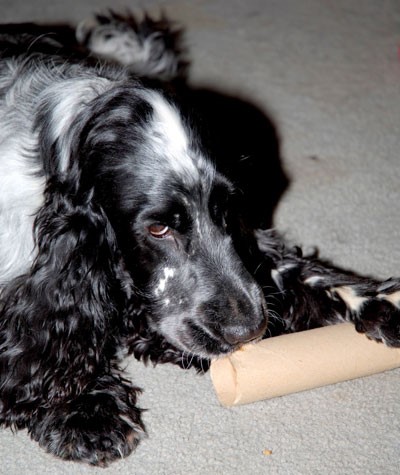
Canine Possession Aggression.Object Guarding: This is the act of aggressively protecting objects such as toys, pigs ears, rawhide chews and other treasures
It can also be the dog's bed, the dogs space, the dogs body, or approaching a sleeping space, or touching the dog when it is at rest, or even just stroking.
It can also happen whilst approaching the dog when it has bones or articles that it has found, been given or stolen.
Items such as socks, shoes, underwear, tissues, and high-value human food.
The ears going back will be part of typical body language relating to this behaviour, and he may go very still and rigid
The dog then will go into a crouch over the object, displaying a whale eye that is the head turned away but the eyes are swivelled back towards you.
It is you that is the perceived threat to his possession. The whites tend to show as he looks back at you.
You may also find the dogs lips are slightly pulled back almost in a grin and the eyes dilated or hard. Look at pictures of whales and you will see why whale eye gets its name.
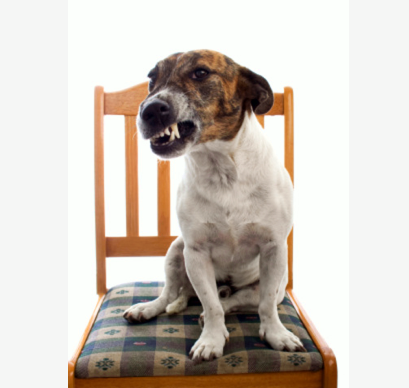
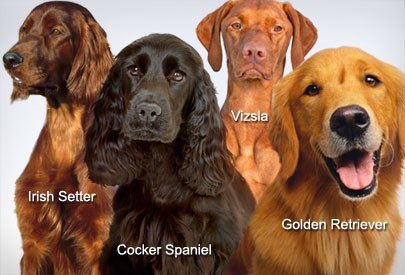
Breed Specific: I am often asked if this is a trait of their type of dog or breed, the answer is not quite as simple as it may seem. Though I would say that Cocker Spaniels tend to resource guard more than any other dog, nearly 78% of all the work I do with object or resource guarding is with Cockers
These cockers are almost all solid colours golden being at the forefront. Generally, bi or tri coloured cockers do not suffer from this, it generally shows in the show breed rather the working strain.
I believe that the owners are rarely to blame for this problem. I think the breeders that may be breeding Cocker Spaniels for their looks and not their temperament can sometimes be the culprits. Therefore, they are in some instances breeding from parents that genetically resource guard.
This is evidenced by the high level of Cockers that are prone to this problem. Therefore, it must have genetic implications. Why breed a dog that is a resource guarder, knowing that it will probably be passed on to the pups? Madness.
Having said that, it could be that this trait could also be a throwback to the genes of the Sire and Dam. Therefore, they may not be displaying the guarding instinct themselves. I think it is important that all Cocker breeders should try to look into their dog's backgrounds, to hopefully see if there have been any guarding instances in any of the forebears.
What is vitally important is to seek treatment from a recognised expert in this field, as soon as the dog displays and tendencies towards guarding. Delaying treatment could mean it may go too far and is irreparable. They do not grow out of this trait, it always gets progressively worse without professional intervention.
I have also written a top article on Cocker Rage. Just type in Cocker Rage into Google and I come normally 1st. Other gundog breeds also tend to be at the forefront of this problem, especially Springer Spaniels who are the second most common breed I have to treated for this disorder.
Followed by German Shepherds and English Bull Mastiffs then the pastoral flock guarding breeds. Having said that any breed can food or resource guard and most will have learned it from a young age, without treatment this problem will get progressively worse. This is a very different problem to bowl guarding and needs to be worked with different techniques. I have written an article on Bowl Guarding which also explains how to treat this fairly simple problem.
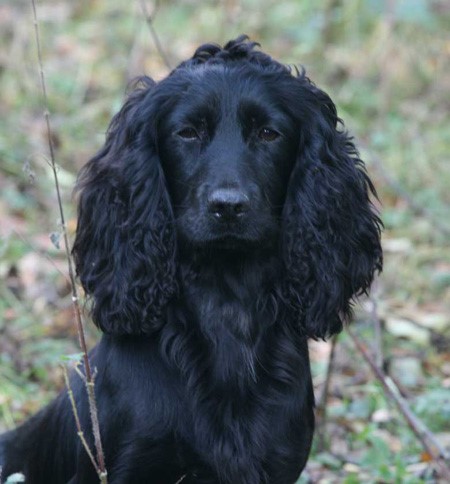
Mine! All Mine: So why would the dog want to protect these objects? The simple answer is that it’s normally either a genetic trait passed on from the mother or father or a learned experience.
Either it is a reaction from their siblings or breeder taking and tugging objects away at an early age. It can also be the owner who stimulates and creates this behaviour by our actions and reactions to the dog in a number of circumstances.
As a puppy, your dog will have wandered through parts of the house, picking up and investigating any little object left lying around. However, as soon as he picked up something we did not want him to have we immediately snatched this precious possession away.
Before long, our intrepid pup would pick up an object then run away so we couldn't take away his find, he would scamper either to another room, the garden, under or behind a table, settee, or chair, anywhere where we could not easily relieve him of his treasure.
So what do we do? We follow him to wherever he has hidden shouting and yelling at the top of our voices. What does the little monster do, he whale-eyes you, and stands over the object and starts to growl. He has now learned a couple of very valuable lessons. When you give a command, he does not always need to obey. If he shows aggression, you back off.
And by our actions, we have successfully taught him to resource guard. However especially in Cockers this can also a genetic disposition, so early touching, training and socialising are absolutely vital. Follow the guidelines as early as you can with all your dogs.
Advice: Well-meaning friends and of course the inimitable doggy experts. You will find these in abundance in any park, street, pub or internet forum, they will tell you to grab the dog by the scruff of the neck then forcibly remove the object, put the dog into an alpha roll position, or give it a good thump.
The tips and advice are endless. If you analyse them all you will find that nearly every suggestion will be confrontational or recommend neutering, these methods will inevitably have the exact opposite effect to what you are hoping to cure.
What you will rarely be told is to train the dog so that it wants to give up the object, that the dog will think it is fun and rewarding to let you have these treasured articles back. But this must be started as soon as the guarding starts at whatever age
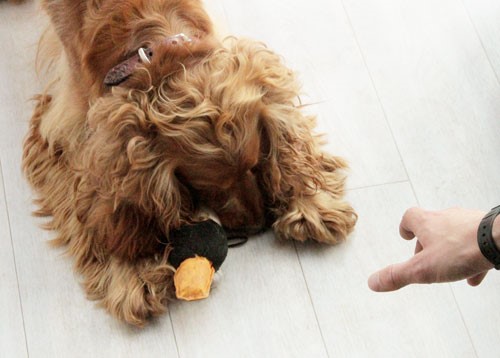
Start Early: Your puppies and adult dogs should be used to having their mouth touched when you then wish to remove something it isn’t seen as confrontational.
From the day you get your dog, either as a puppy or adult dog, brush his teeth. Play with his flews (the floppy bits on the upper lip), open his mouth, check his tonsils, look down his throat,
Do this in a positive fun way with lots of praise and the occasional treat. Purchase a special treat like Beef Jerky Sticks or Beef Jerky for dogs See all Natural Treats for Dogs.
Hold onto one end of the treat while the dog chews on the other end. He may want to play tug, but just hold the treat try not to do not pull away In time he will get used to your presence and relax and just chew. Train the dog the "OFF" command. When I am working with bowl aggressive or object aggressive dogs this is the first thing I teach.
This allows you to stop your dog picking things up off the floor without your permission See The Jingler for further information It is important for your dog to view you as the provider of all good things. You can do this by tightly controlling the dog's environment. Keep all but one or two toys up off the floor and take the others down only when you want to play.
Make sure you offer an item with a command "Good" "Take it." When you are tired of the game (you that is, not the dog), tell the dog to "Drop" or “Dead” Give him another item or treat in exchange, and then put the first object away.
Do you know your dog's likes and dislikes? Compose a list of all the things your dog really enjoys, including food, toys, treats and activities, rank them in a hierarchical order, In exchange for dropping the first item give your dog a second, "better" item.
For instance, if tennis ball retrieving is third on your dog's list, reward him with my high-value treats for dropping the tennis ball. If your dog attempts to pick up a bit of rubbish in the street, command him to "drop" and then throw or give him his tennis ball.
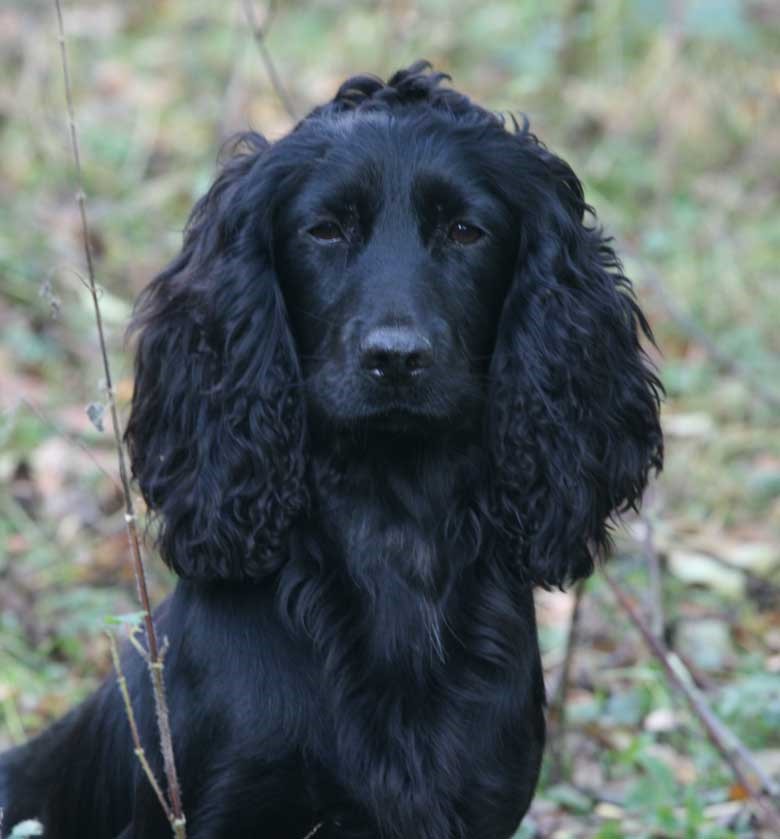
I think it is prudent to point out that not all Cockers are resource or food guarders. Jet (above) a working Cocker Spaniel s one of five Cockers that I own. He is one of the gentlest dogs you could ever meet and does not have a bad bone in his body. However, early desensitisation work is essential to make sure your dog does not start this problem. This article only covers possession aggression resource guarding.
Give a Cue: Teach the word dead, drop, or give, do it in a fun way with a happy high silly voice. Start by allowing him to have something that is not so valuable then you can trade with him for his favourite treat, what is his favourite treats or game? Do you really know your dog's likes and dislikes?
This is fine for teaching young pups or dogs that are not presently guarding but what about ones that are already way down the road of resource guarding. Training a young puppy is relatively easy. Re-training an older dog is more difficult, but not impossible.
Trade and Reward: Firstly take away all objects the dog is guarding, that could be toys, tissues, chews, bones, pigs ears or sleeping places, that can include beds, sofas or chairs.
You may not be able to move the latter but you can cover it, put a box or something else like dining chairs on them so it will restrict access. Do not allow access to these precious resources a number of days.
You need to prepare for the next stage if the guarding is articles such as toys chews bones etc, prepare some of the dog's really favourite treats, cheese or frankfurter tends to be high on the list.
Then get a low-value object, it may be a tissue or a sock, a pig's ear, for instance, may be perceived as high value. Try to be to the side of the dog, rather than face on and relax, take the tension you may feel out of your body as the dog will both smell and sense your fear and this could trigger a reaction.
Offer the object to the dog but try and keep hold of it as the dog takes it, use whatever release command you have decided on it could be “dead” “drop” “leave” or “trade” immediately produce the tasty treat from behind your back and exchange. Praise when the exchange takes place and give back the object you first exchanged.
Set scheduled times to repeat this exercise at least four times a day but also just do it at inopportune moments. Gradually up the anti of treasured goods. Over a period of time, the dog will start to look forward to your approach and game.
It is at this time that you give your dog the object and walk away, at first come back immediately and trade gradually making the time and distance you walk away longer until you clearly see the dog is having no problems with your approach whatsoever. Then only give a treat every third time, then every tenth, take the object away and immediately give it back extending the period on this until the guarding behaviour disappears.
As with food guarding, you want to build a positive association with people approaching the objects being guarded. The dog needs to understand that people approaching and the removal of objects can be positive and rewarding.
Touch Sensitive: In this scenario, the dog is guarding its own body space and may be overly sensitive to contact and touch. You may be stroking the dog or giving it a treat and suddenly it will growl. lunge, show teeth or bite. There appears to be no reason. However, like most aggressions, there is normally a key or trigger for the behaviour. The dog may be a bully and enjoy threatening, or he may suddenly feel threatened or dislike the touch.
If the dog is a bully then you need to change the way you deal with the dog. See my article on the Alpha Myth. If the dog is resource guarding his body space then you need to desensitise the dog to touch. To do this you may need to introduce a soft mesh muzzle (See website) so you can touch and treat in relative safety.
Start by touching the dog and say “Good” Take it. Good is the equivalent of a clicker and is marking the behaviour you want and Take it is permission to share your treat (See The Alpha Myth). Do this two or three times a day for a couple of minutes each time so that the dog becomes desensitised to the touch treating and praising as you go along. This may take some time. The same thing should happen if the dog is overly sensitive to the collar being touched or the lead being put on.
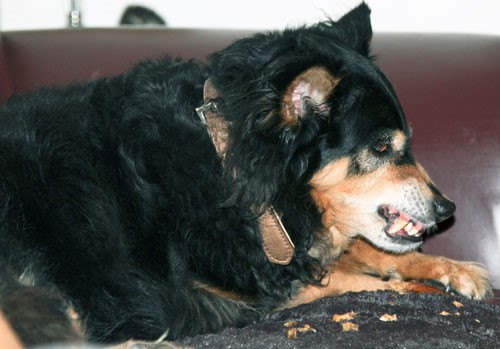
This is not always as simple as it may seem as the severity or incidence may be related to who is approaching.
It may be that a woman can approach the bed or sleeping place but not a man, an adult but not a child. It is not always tied to the object being guarded, but more to the relationship or lack of it of the person approaching the resource.
Sometimes this behaviour manifests itself when we try to move the dog off a sofa or when we handle or stroke the dog. It is worth in these cases making sure the dog is not ill or in pain as this could stimulate aggressive reactions.
As with other forms of guarding, make this a positive experience. Gauge how far you can approach before any aggressive reaction occurs. Initially, keep to this distance and as you pass throw a treat, praising the dog at the same time. Make sure you do not praise or treat if there is growling or any show of aggression.
Gradually decrease the distance over a period of time, do not rush the exercise, if the dog starts to react go back a few steps and start again. Change your angle of approach and the person who is approaching. Always try not to approach head-on try to come in at an angle from the side, give lots of verbal praise for a calm and passive reaction from the dog.
Over time, your pet will come to realise that your approach is a positive experience and the guarding will hopefully cease. However, if it starts up again repeat the exercise. You should practice once a week exchange or trade, for the remainder of the dog's life.
If you are already at the point where the dog has actually bitten you, then I would suggest you get professional help. This should be a behaviourist or a trainer who understands and regularly treats aggression, and especially resource guarding.
You should look for one that comes to your house. I never understand how professionals can assess your dog’s behaviour anywhere other than the where the problem occurs. Dogs react very differently when out of their own environment.
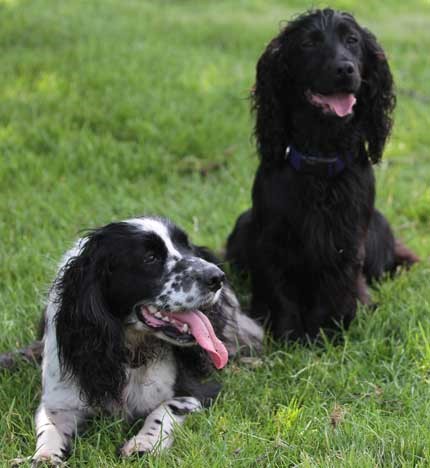
We have all heard of it but how many actually understand what is euphemistically known as Cocker Rage?
The term "Cocker Rage Syndrome" was originally used to describe a set of behaviour's that were occurring in a disproportionate number of cocker spaniels.
It appeared to manifest itself in single colour cockers and mainly males.
However, these assumptions were disproved when it became apparent that other breeds were also suffering this type of affliction.
The word rage come from the Latin "rabies", though I am not suggesting that this problem is caused in any way by Rabies.
The term Cocker Rage Syndrome was first used by Rodger Mugford when he researched Cockers and aggression.
He found that the majority of the dogs he observed began showing signs at about 7.5 months.
Though another research has suggested that it could be as early as 3 months, and as late as two years
Despite all of the research it is still unclear what causes it. Though it appears it is an inherited problem, therefore the breeders play a large part in this incurable genetic behaviour.
American and English Cocker Spaniels, Bernese Mountain Dogs, Chesapeake Bay Retrievers, Dobermans, English Bull Terriers, English Springer Spaniels, German Shepherds, Golden Retrievers, Pyrenean Mountain Dogs and St. Bernard’s.
These breeds have all been diagnosed with suffering from this problem. Therefore, what is this phenomenon? and more to the point, is "Cocker Rage Syndrome" actually a syndrome? This type of aggression presents itself as an unprovoked attack. Normally against family members. Cocker Rage Syndrome looks like an exaggerated form of status or dominance aggression.
It is usually triggered by the unexpected approach of people when the dog is dozing. The dog snaps alert then attacks, biting and savaging. This may continue for some time, then just as suddenly as it started, it stops. Often the dog looks confused and may come up to the person it attacked in a normal greeting mode, looking submissive and sorry for itself.
Often the eyes change colour and go hard before the attack. There is normally no warning or threat posture only the change in the eyes prior to the dog launching itself at an individual. Various experts have theorised that "Cocker Rage Syndrome" is a seizure disorder, not a temperament disorder (such as dominant aggression). The recent successful treatment of some cases of apparent "rage" with Phenobarbital (an anticonvulsant) may add credence to this evidence.
Can It Be Related To a Medical Condition?
There are lots of counter arguments, about whether this rage really exists as a syndrome, and if this is an inherited condition.
Possibly a form of brain disorder, or even reduced serotonin levels, (associated with violence in people).
Others have suggested it may be related to a form of epilepsy called "complex partial seizures".
What I have found recently, is that aggression in our English Springer Spaniel is also on the rise.
I tend to find that this unprovoked aggression is found mainly in the small working Springer’s that are about the same size as large Cockers - certainly, in the USA, they have had an increase in aggression cases in Springers.
* Dr.Ilana Reisner, a professor of behavioural sciences, has probably done more research on this condition than anyone else.
Dr Ilana believes that this is a condition that follows family lines. She also believes Cocker Rage Syndrome is associated with decreased serotonin levels. The condition can be hard to distinguish from dominance aggression. Dr Reisner believes that there are a group of dogs who exhibit extreme uncontrolled aggression that is way beyond the "typical" aggressive responses for dominant or territorial dogs.
I believe that these rages probably occur in many breeds, but that Springer and Cockers are over-represented among these breeds.
SOA (Sudden Onset Aggression)
This condition has been known by a variety of names; Sudden Onset Aggression is the name that has been adopted as a somewhat more accurate and less sensationalised description than the term 'Cocker Rage Syndrome' that was used more frequently in the 1980s and 1990s.
Sometimes the terms mental lapse aggression and idiopathic aggression are also used -- the latter simply means aggression due to an unknown cause or condition. There are several theories as to what causes SOA (some researchers believe it is caused by a partial seizure disorder) and it is thought to be an inherited disorder, appearing much more frequently in some breeds than in others. I cover the mental lapse aggression later in the article.
My personal belief is it is inherited, and therefore the breeders are breeding these dogs knowing that they have this disposition. That is why I see so many Cockers with resource guarding problems. Nearly 70% of all resource guarding cases I deal with are Cocker Spaniels the majority are solid colours rather than roans and normally show bred, rather than working stock, it normally starts at about 7 months of age.
Though I have seen earlier and later onset cases. It is fairly clear to me that that this is genetic. Therefore, breeders are knowingly breeding dogs with this condition. It is believed it started from a Crufts best of breed champion in the late 50s early 60s.
Misdiagnosis
The term "Cocker Rage Syndrome" is almost certainly inappropriately used to describe aggression, that does not fit the reported standard. Making the problem seem much more widespread than it is.
*Dogs that appear to have rage syndrome can become aggressive in certain repeatable situations.
These situations can spark a number of reactions, such as an owner leaning over the dog, or attempting to move it from a chair, couch or bed could elicit an attack or threat.
There are a number of repeatable triggers for the behaviour. If this is the case then it makes it less likely that this is a seizure disorder or Cocker Rage Syndrome.
Which would tend to suggest that the condition, may be related to resource guarding, territory or status?
Having said that, other tests, primarily conducted by Dr Reisner, showed abnormally low amounts of serotonin metabolites in their urine and cerebral spinal fluid.
This suggested that the aggression was associated with abnormally low levels of serotonin in the brain. This corresponded with findings in violent mental patients and prison inmates.
Serotonin is one of the neurotransmitters, brain chemicals that have a calming effect. In most mammals it appears to decrease the amount of aggression, associated with dominance.
While it does not necessarily change the social status of an animal, higher serotonin levels decrease the likelihood of aggressive displays, that may be used to maintain social position. Based on these findings, medications that increase serotonin levels were used to treat dominance aggression in dogs. Cocker Rage Syndrome was reported that 50% of the dominant aggressive dogs responded favourably to these drugs, with a decrease in aggressive behaviour.
Drugs do not solve the problem, though it has been suggested, that they can make it safer and easier for owners to use behavioural modification techniques, to change the dog’s social status in the home.
This indicates that dominance aggression may, at least in some individuals, result from a brain abnormality on the chemical level. When treating aggression cases aimed at humans, you should take a number of factors into consideration.
There is another form of aggression, called mental lapse aggression, that has been previously described as “Cocker Rage Syndrome”. Dr Bonnie Beaver, at Texas A&M, first described this type of aggression. The cause is unknown, the EEG brain wave pattern resembles that of a wild animal. It is probably not a seizure disorder, as these dogs do not respond to anticonvulsants. These dogs display sudden, violent aggression. It can start at any age, but usually occurs in young adults, and becomes progressively worse.
A careful behavioural history shows absolutely no pattern of predictability. There is currently no known treatment, except euthanasia. It is probably very rare, but can be very difficult to distinguish from a severe case of dominance aggression. In the long run, it probably isn't that critical to making the distinction, since euthanasia is the safest course in either event. MLA, is I believe, the dog reverting almost back to its primal state and becoming far closer to its wolf ancestors, in other words, it loses its domesticity and reverts to being wild.
Seizures or Fits
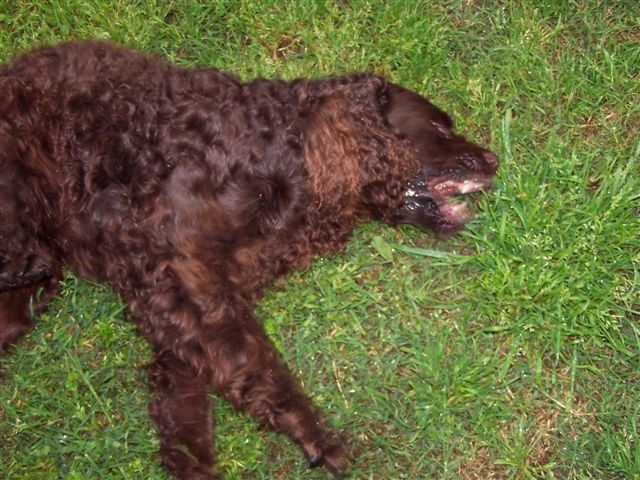
Seizures can also cause unprovoked aggressive episodes, but the EEG generally shows seizure spikes, a very different pattern from mental lapse aggression.
When seizures are the suspected cause of aggression, the veterinarian should do the typical medical evaluation, for any other type of seizure.
These dogs often do very well on anticonvulsants. Owners must be prepared to deal with the necessary monitoring, as well as the risks involved with owning a dog who shows aggression during a seizure. Otherwise, they are handled just like any other seizure dog.
Different Types of Aggression
Depending on how you break it down, there are probably 20 different forms of aggression in the dog.
Multiple forms within the same individual may all interact together to produce a single biting episode.
Without understanding all these factors, it is extremely difficult to successfully treat an aggressive dog.
“Cocker Rage Syndrome” has been applied to many types of aggression, primarily dominance aggression, mental lapse aggression, and seizure-related aggression. This term needs to be dropped from our vocabulary when discussing causes, prognosis, and treatment of aggressive dogs.
In reality, I have only seen two cases where “Rage Syndrome” appeared to be present; both these cases were working lines of English Springer Spaniels. Nearly all the other cases called rage syndrome were actually control complex behaviour i.e. dominance, frustration, resource guarding etc.
Can It Be Related To Resource Guarding?
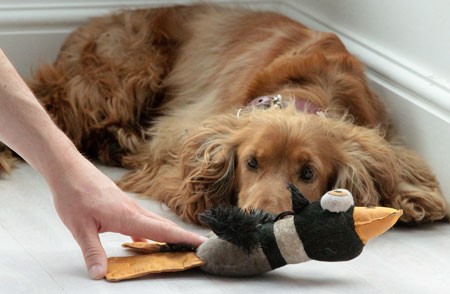
In Cockers, resource guarding, something I call possession aggression, is the most common aggression I am asked to treat.
This is the act of aggressively protecting objects such as toys, pigs ears, rawhide chews, the dogs bed, the dogs space, stroking, bones, or articles that the dog has found or stolen.
These items can be as various such as socks, shoes, underwear, tissues and human food. This is very different from "Bowl Guarding" and the treatment is different for both.
I have written in depth explanatory articles on both "Bowl Guarding" and "Possession Aggression Object Guarding" I believe this type of aggression should only be approached with the help of a professional behaviourist.
I really do not want people getting attacked for following my behavioural advice, and not reading the correct signs. These cases really do need professional help. It may be that these aggressions and guarding problems are manifesting themselves in our working Cockers and Springers because of a shrinking gene pool.
Pure breeding inevitably increases genetic problems, because it narrows the gene pool. Some almost have no genetic variation left, therefore, it is almost impossible to select out bad behavioural traits anymore.
I certainly see a lot of Cockers resource guarding, and showing control complex/dominant behaviour; also I have treated a number of Springer’s that bite without warning, deep and hard. I personally think this does not constitute us classing it as “rage syndrome” I believe there is far more work to be done, before simply labelling it a “syndrome”
Though the jury is out on what is actually happening, I tend to err on the side of genetics and lack of early socialisation, with perhaps some chemical imbalances involved There are of course strong medical problems as stated earlier, that are untreatable. Such as "mental lapse aggression".
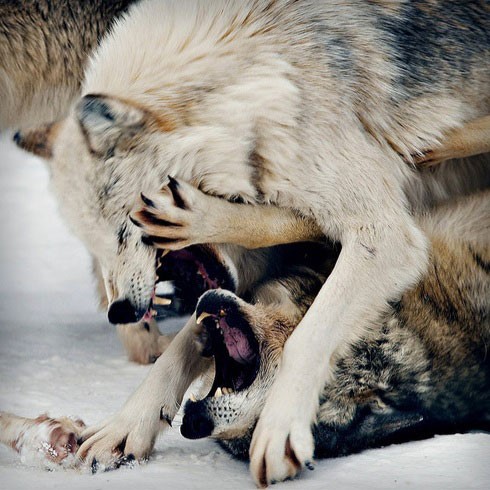
Dominance
I thought I should mention that there is currently a major sea change in how we look at dominant behaviour. social status, and aggression.
Dominance is surely a relative term, not a description of a dog’s psyche.
Some experts recommend dropping the entire dominant/submissive paradigm.
I do not agree, as that negates the fact that social status is apparent in all our dogs.
To some extent, sympathise with those claiming the word dominance should no longer be used, that it is defunct and outdated and irrelevant.
However, sympathising does not mean that I agree with their arguments or their logic.
Advances in scientific studies have shown that our previous knowledge base did not give us the full picture. This was based on studies that were at best incomplete, and at worst totally incorrect in their findings.
The new wave of positive reinforcement style training and behavioural modification is proving to be far more effective and kinder than methods that have been previously used.
I have used a device called a Jingler to great affect in certain cases of aggression. These include inter-human and inter-dog aggression. Designed and developed by me. The jingler helps to realign the dog behaviour so that it accepts you as a controller of resources. Vital where the dog is controlling and pushy
It is effectively the opposite of a clicker, the clicker tells the dog when it has done something right. The jingler does the opposite and tells the dog when it has done something wrong. Simple and very effective.
As long as the trainers or behaviourists, realise that positive training methods do not mean positive only training methods. Praising the good and totally ignoring the bad is a recipe for disaster.
It is totally impossible to train any animal by using positive only techniques, see my article on "Killing with Kindness"
The advent of clicker training has proved a revelation to many of today’s obedience and behavioural trainers. The style of training that insisted that the dog should be subservient, and that reward or treat based training is bribery, is fortunately now dying out.
Though there are still places and organisations that believe it is the only way to train. Current dog training techniques focus on building a relationship of mutual respect and trust and control.
I personally use techniques that are not related to pack mentality. After all, I am not a dog, all my dogs are aware that I am not a dog and therefore I cannot be "leader of the pack" Read my article The Alpha Myth. It will hopefully help you understand where many of our behaviourists and trainers have been going wrong.
Let's not allow political correctness and semantics to creep into dog behaviour or training - let's be realistic and look at what we have in front of us; sometimes a joy, other times pushy and dare I say occasionally "Dominant”.
You probably don't like any dog training method that involves the word “negative.”
“I don’t want that around my precious doggo.”
And, I agree with you…
Most dog owners would rather live with a "bad" dog than have a dog trainer apply ‘negative’ behavioural training methods to correct said bad behaviour forever.
This has led almost all dog trainers to throw away decades of proven dog training methods in favour of ‘positive’ and modern systems – even if they barely get the desired result.
So, it begs the question…
Are dog owners and our positive-only dog behaviourists and trainers killing our dogs with kindness?
In this article, we’re going to explore the various types of training methods. What negative and positive really mean. And how dog owners and trainers can apply it every day to effect lasting changes in their dogs.
Let’s go…
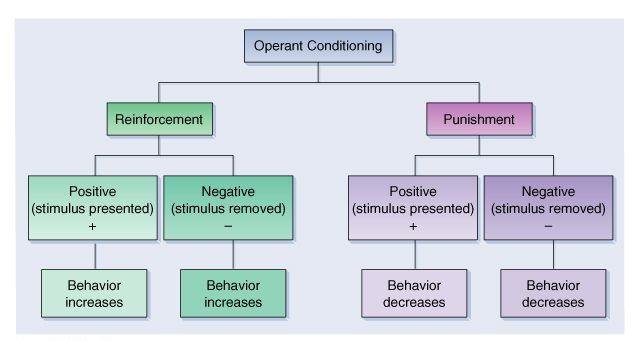
The short answer is “No!”, but you need to understand why.
The science behind most dog behavioural work and obedience training is Operant conditioning. In operant conditioning, there are 4 consequences for each behaviour.
1. Something Good can start or be presented, so behaviour increases = Positive Reinforcement.
2. Something Good can end or be taken away, so behaviour decreases = Negative Punishment.
3. Something Bad can start or be presented, so behaviour decreases = Positive Punishment.
4. Something Bad can end or be taken away, so behaviour increases = Negative Reinforcement.
#1 relates to pleasure: providing treats, playing a game, or a lovely run in the park.
#2 is taking something away that the dogs like a favourite toy or a treat.
#3 is direct punishment, hitting or using electronic collars or choke/check chains.
#4 is removing something that may be causing pain or distress, stop hitting or stop pressing the button on a shock collar.
You can clearly see why #3 and #4 are negative training methods, not because they don’t get the behaviour fixed… but because they tend to make a dog fearful and withdrawn.
However, denying the effectiveness of #2 leaves dog owners with only #1, which is essentially killing their dogs with kindness – and it doesn’t work!
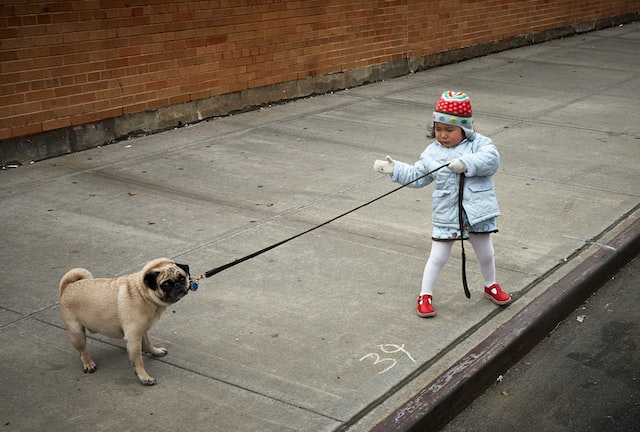
Except in certain circumstances, most good dog behaviourists and trainers tend only to use positive reinforcement and negative punishment.
Personally, I think bad trainers and behaviourists would either use just one (usually #1) or all four when training a dog.
I know it will sound strange to hear me say positive reinforcement can be bad for a dog.
However, many trainers and some so-called modern behaviourists, think they can effect lasting change in a dog using just positive reinforcement.
To them, this is the only ethical way to change bad behaviour in a dog.
If they truly understood the science of behavioural and training methods, they would not take Skinner's work and throw away three-quarters of it.
According to the behaviourist who created the behavioural quadrant, Skinner, the term ‘positive’ means that something is being presented soon after an action.
As a result of that presentation, the action increases in frequency or intensity. The ‘positive’ in positive reinforcement has nothing to do with good or bad, or with what is beneficial or detrimental.
It is not connected to what anyone does or does not want.
By definition, positive reinforcement could include what we would label as ‘harsh punishment.’
Here’s what I mean…
If, for instance, a dog snarled and threatened to attack you, and you responded by kicking and abusing the dog… then that abuse could serve as a positive reinforcement.
The dog’s aggression towards the owner intensifies because of the abuse. Repeated over time, the level of aggression and the frequency becomes the dog’s natural response to abuse.
Your abuse would therefore function as positive reinforcement of the aggression. Same way praising and treating a dog can reinforce bad behaviour when it is done at the wrong time. Just as surely as punishing him in the wrong way.
Do you now see why you need an experienced dog trainer with a deep understanding of dog training science?
Understanding operant conditioning and behaviours is far more complex than the simplistic belief that punishment is bad and reinforcement is good.
As an experienced dog trainer, I wish it was that easy… like the 80s cowboy films where the hero wears a white hat and the antagonist a black one.

I challenge any dog trainer or behaviourist to demonstrate the effectiveness of their method using positive reinforcement only. It is impossible to train any animal, be it dogs, humans, horses, or monkeys using positive reinforcement only.
Either these people are deluded or lying to dog owners.
If they weren’t they would realise that negative punishment can be as simple as closing your hand on a treat so a dog doesn’t get it. Walking a dog on a lead is "negative punishment." Turning away from a dog that is jumping up is NEGATIVE.
Many of these so-called “Positive-only trainers” are actually teaching in our colleges and universities and are responsible for marking exam papers of students who will graduate and become our future dog trainers and behaviourists.
They’re often marking papers based on their own biased, unsupported opinions and unproven theories.
I have first-hand experience with this!
These people quote Skinner’s work and talk about operant conditioning… yet consciously ignore the fact that Skinner’s operant conditioning has four interdependent elements.
They simply choose what feels right to them vs what’s proven to work.
I find them not only sleazy but also complicit in the increasing number of dogs that are regularly euthanized or put into rescue.
What positive-only trainers lack is the understanding that all animals, including humans, need to be aware of actions and consequences.
In their hurry to show how kind and caring they are, they ignore the main tenets and principles laid out in ethical conditioning.
No dog trainer should claim they use only positive and friendly methods when they also apply negative punishment under operant conditioning – using a lead is negative punishment.
Any dog trainer who cherry-picks Skinner's work and claims to take the moral high ground yet uses negative punishment (not offering treats for unwanted behaviour) is sleazy.
A dog can be running around enjoying itself – maybe a little too much. As soon as we attach a lead to their collar or harness, then we’ve used negative punishment because we have taken away something the dog enjoyed – freedom to play.
Because someone hears the word ‘negative punishment’ and feels it means animal cruelty?
The answer is “No” because it puts the dog and people around it at risk.
There are dog trainers that will advise you to turn away and fold your arms when the dog nips you. More often than not, this results in the poor dogs becoming more frustrated and anxious, therefore, more dangerous and aggressive to humans.
If the initial frustration and attention-seeking behaviours from the dog do not work, it could result in the escalation of aggression or unacceptable behaviour.
I am of the opinion that most of these behaviourists and trainers never even touch the dogs they are treating. They sit and observe for a few hours. They scribble fifty-pages report on what you should do – even though they are totally incapable of doing it themselves.
It’s like learning to drive by reading a book.
It’s my belief that over 40% of the dogs I’ve worked with are dogs that other trainers and behaviourists have failed to make any appreciable difference – probably those who claim to be positive-only or force-free trainers.
These are likely the same trainers that instead of teaching a dog to heel, put on it what they consider are kind and gentle devices such as a harness or, worse, a Halti.
I have seen dogs desperately struggling to get these infernal devices off their faces. And many end up having their hair rubbed down to the skin, blisters and abrasions and infections where they have ridden up and rubbed against the eyes.
Are these supposed to be the kind alternatives?
All harnesses, Halti’s and head collars work on impeding the dog to make it not pull. Surely that can only happen through pain and discomfort. They also do not teach the dog to heel they only restrict it.
If the "training aid" does not actually train the dog – i.e. in other words, when you take it off the dog immediately pulls again – then it is definitely not a training aid and must work using pain and discomfort.
As an ethical dog trainer in Thailand, I teach methods which actually train the dog to walk to heel, rather than just impeding and distressing it.

In many recent pressers and media articles, there have been calls to change the way schools, organisations, and families instil ethics and discipline in our children.
The experts have come out to say that we’ve failed recent generations by not teaching and extolling the virtues of respect and instilling an ethical and moral compass.
It’s unfortunate that some people in positions of education and training believe neither children nor pets should be controlled by anything other than positives – and good vibes.
No negatives, discipline, or control whatsoever. Ignore the bad… reward the good.
Unfortunately, we’ll end up creating a society that fails to instil morals, decency, and self-control. We owe our children and our pets an educational and training programme whereby they understand boundaries and guidelines, right from wrong. Respect, rather than contempt.
None of these requires cruelty pain or distress.
In a society where we cannot even say “No!” to children or pets, it won’t be long before anarchy reigns. We are now euthanizing far more of our once beloved pets for behavioural and training problems than ever before.
Just think for a moment why that may be happening.
I read a report some weeks ago that said aberrant behaviour in our dogs is the main reason they are euthanized. I would place all the blame firmly at the doors of the positive-only and so-called force-free trainers.
All animals, especially mammals, need a track to run on… and that track is "consistency."
In the wild, actions have consequences. The correct behaviours and boundaries are taught by pack members including the mother, older siblings, and the alphas in control of the pack.
It’s no surprise that very few injuries result from aggression or fights – even in wild animals such as wolves, coyotes, wild dogs or jackals.
These animals have a strong and powerful set of rules and hierarchies that filter down to even the bottom members of the pack. They have a strong ethos of belonging. Each animal’s position and rank in the pack receive the respect it deserves.
That is because the ‘pack’ as we call it, is not run by alphas as in a dictatorship… It’s a family unit made up of a father, mother, and offspring.
It is vital to note that leadership in this setting is rarely tyrannical but based on mutual respect.
Posture aggression (arching the back or displaying teeth) is the norm rather than any real attacks to reinforce rank. The reason for this is obvious, tyrants and overtly aggressive leaders would engender fear rather than respect, and insecurity rather than confidence.
Unless the pack works as an efficient cohesive unit, then their hunting forays would be far less successful – especially if some members of the pack are injured from inter-pack fights.
As humans, we cannot truly be alphas to our dogs – after all, we are not dogs and do not communicate the same way. But we can lay out boundaries, guidelines, and rules to follow.
We can control resources which may include food, toys, games, and even access to us. As resource controllers, we can gain mutual respect without fear, thereby creating a deeper bond with our pets.
But as in any community, pack, or family, there have to be guidelines and these must be clearly defined for them to work.
Stress plays a vital role in learning: too much of it and learning collapses, too little and learning does not occur…
Provide the correct amount of stress and learning automatically happens and we begin to witness changes. Certain aspects of stress are vital to a dog’s growth, both mentally and physically.
The example I like to give is in regard to how puppies learn.
Learning for them doesn’t begin when they reach their new home... it starts the day they are born – maybe from the womb even. The only two senses puppies have from birth to about 2 weeks old are touch and taste.
They are born blind, deaf, and unable to smell.
Their sense of smell starts working from about 10 days, hearing at 3 or 4 weeks, and reliable sight at 6 – though they can see before that, it’s almost like looking through a veil.
Gentle and careful handling by humans during this vital time from day #1 onwards creates a mild stress response in the puppy, which acts to improve them both physically and emotionally.
Therefore, this is good stress.
Puppies that are handled during the first few weeks of their life mature and grow quicker; they are more resistant to infections and diseases, and are generally more stable.
They become far better at handling day-to-day stress, are more exploratory and curious, and learn much faster than pups that are not handled during this crucial period.
That is one reason you need to be careful when choosing a puppy.
Do not purchase from puppy farmers or large breeders who do not have the time to handle the pups, and never get one from a pet shop. Look for breeders that are not commercially minded.
Those who have them indoors. And love dogs, not just for the money they can make from breeding them.
When people do not truly understand how dogs learn, then all they do is follow the latest fad and theory. Unfortunately, this is almost always to the detriment of the dogs.
We must all be aware and conscious of the fact that both puppies and adult dogs must have the full spectrum of experience – not just the positives. But to pull this off we also need consistency and understanding of what is acceptable and what is not.
… but it should not be used in isolation.
It must be coupled with consistent actions such as encouraging good behaviour but actively ensuring we don’t reward or ignore the unacceptable behaviour – they have to be dealt with using the appropriate punishment to ensure the behaviour decreases.
If good or bad behaviour is clearly defined for a dog, then it becomes far easier to understand and follow.
Your dog will be calmer, and more settled, and your relationship together will become stronger and deeper – both owner and pet will benefit.
As dog trainers and owners, we all need to play our part to ensure that the number of dogs currently being re-homed, sent into rescue, or euthanized will once again reduce.
We need to train the ‘bad’ out of our dogs instead of actively praising them, hoping they’ll change – my experience says they won't!

Phone: +66 921 808 551
Email: enquiries@regentskennels.com
Copyright © 2025 Regents Kennels All Right Reserved. Developed by OveliTHub